Table of contents
ARTEX shows attackers now find your weak spots in minutes

An AI agent with no secret-scanning code was pointed at a code repository. In GitGuardian’s sealed lab test, it still found eight of nine planted secrets. One was a cloud key deleted from the code but still in git history.
That agent was ARTEX. It is an open source AI penetration-testing framework published on GitHub in July 2026. Within three months, criminal groups and state-aligned actors had turned it against real organizations.
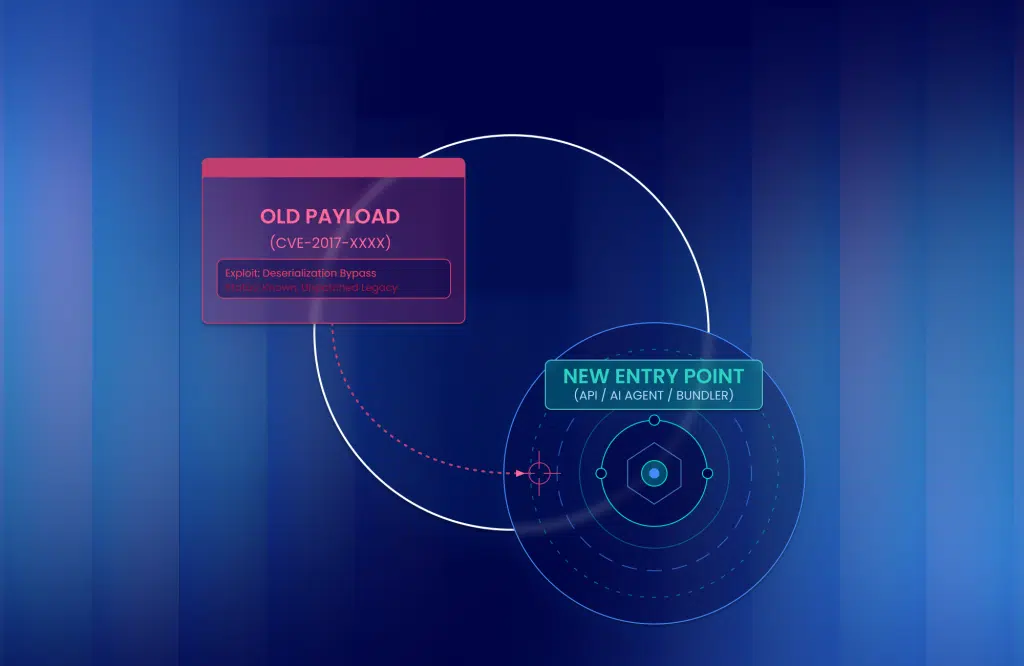
ARTEX doesn’t use new exploits. It finds the gaps your team already knows about, faster than you can close them.
What ARTEX is
ARTEX is a multi-agent framework. An operator gives it a goal. AI agents then plan and run standard tools like port scanners, shells, and HTTP clients.
It has no model of its own. Operators connect it to a commercial or open model. Its scope limits are defaults, not hard controls.
On October 8, 2026, the author took the repository down and said the project would go closed source. Forks and modified copies are still available.
How attackers are using it
Researchers have tied ARTEX to several campaigns since August 2026. These include a China state-aligned group targeting software vendors, and criminal groups targeting banks, fintechs, and payment firms.
On November 13, 2026, the FBI warned that some ARTEX intrusions reached privileged access in under three hours. Microsoft described an even faster case on November 5. An AI agent went from searching GitHub for secrets to exfiltrating Azure Key Vault data in five minutes.
The entry points are familiar:
- Credentials committed to repositories or left in git history
- Long-lived CI tokens and cloud keys with no expiry
- Test and staging systems exposed to the internet
- Credentials shared between test and production
- Known web application flaws in internet-facing services
These are familiar gaps, and they now get found faster.
The supply-chain twist: the attack tool itself was backdoored
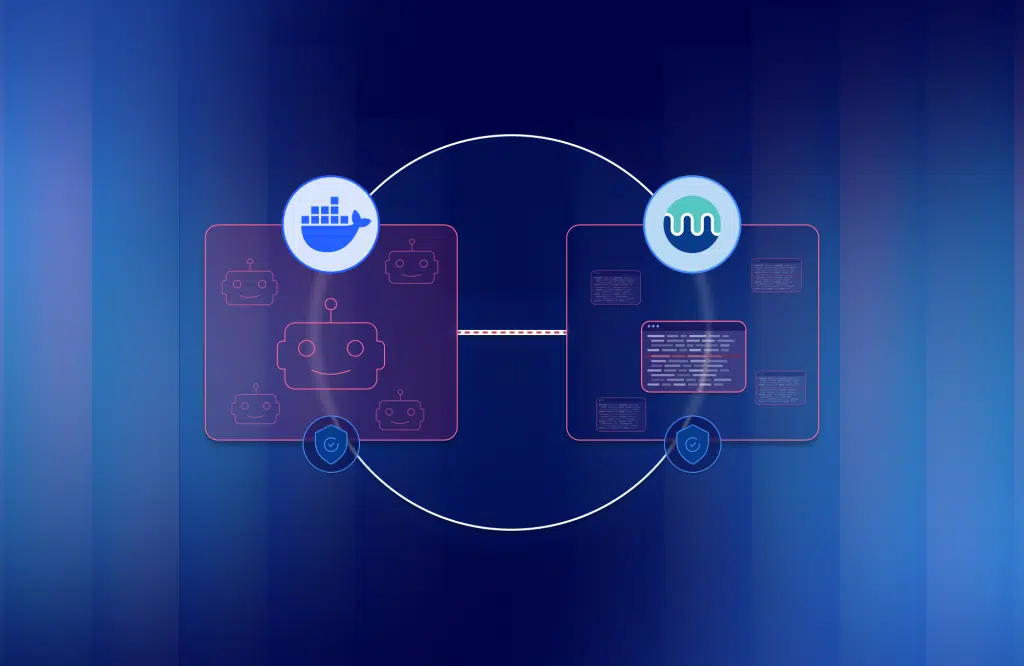
Hours after the takedown notice, a modified copy of ARTEX appeared on GitHub. The source code matched the original. One line in the setup file pulled a different prebuilt container image.
That image contained a backdoor. It gave anyone who knew a secret trigger an unauthenticated root shell inside the ARTEX container. That access exposed the secrets the container held, including the database password and LLM API keys.
Independent researcher BadByte counted 9,131 pulls before Docker removed the image on November 5, 2026, at BadByte’s request. Pulls are not unique installs, so the real number of affected systems is unknown.
The lesson goes far beyond offensive tooling. Reviewing source code doesn’t protect you if you run a binary someone else built. The same risk applies to every base image and third-party container your team pulls.
What this means for your AppSec program
AI attack agents make every unresolved finding easier to exploit. Respond by fixing the right things first, not by adding alerts.
1. Prioritize what is reachable, not just what is present
An agent probes what is exposed and callable. Mend AppSec uses reachability-driven SCA to show which vulnerable open source functions your code actually calls. Your team fixes exploitable risk first.
2. Treat container images as code you have to verify
The backdoored ARTEX image passed a source review and still shipped a malicious binary. Mend AppSec includes container scanning, which gives you risk visibility into the images you build and deploy. Pin images by digest and pull them only from sources you have verified.
3. Close the gap between finding and fixing
Attackers now move in hours. Remediation that takes weeks leaves the window open. Teams using Mend.io report reducing remediation effort by 75%.
4. Clean up the basics an agent finds first
- Scan repositories and git history for secrets, and rotate anything exposed. Deleting a secret from code is not enough.
- Replace long-lived CI keys with short-lived credentials.
- Never share credentials between test and production.
- Keep internal tools and staging systems off the public internet.
- Retire vendor and project keys when the work ends.
The vulnerabilities, exposed secrets, and unverified images in your backlog are now the first things an agent checks.
Increase visibility and control over the AI components in your applications
About the author